
Dealing with weld defects can be both aggravating and, more significantly, a drain on time and financial resources. Let's explore some prevalent causes and effective strategies to steer clear of problems in the future.

Common weld defects 11-23.pdf
Download
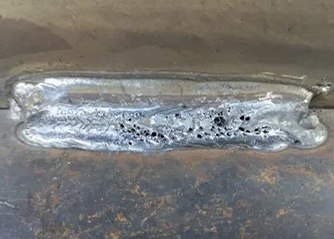
If you're encountering problems related to porosity, chances are it stems from insufficient shielding gas coverage or an excessive level of weld joint contamination, leading to the entrapment of gas within the weld metal.
How to avoid it: Inspect the regulator or flow meter, ensuring a sufficient but not overly high gas flow, and adjust as needed. Additionally, examine the hoses and welding gun for any potential leaks. In the presence of a draft, seal off the working area and ensure that the weld joint is reasonably clear of contaminants such as moisture, dirt, rust, paint, oil, or grease.
When you want a quality weld, you need to make sure your equipment is running properly and as designed. If, however, there’s poor connectivity, it can impact your weld.
How to Avoid It: When the ground clamp is dirty or in poor condition, it fails to establish proper contact with the workpiece, leading to fluctuations in current or voltage. This inconsistency results in increased spatter and a subpar weld quality. Ensure that your ground clamp maintains solid contact with the workpiece on a clean surface and inspect the cable for any fraying or damage to prevent such issues.
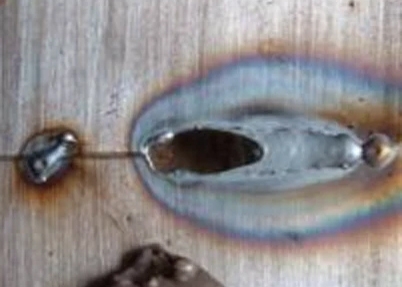
When working with thin materials, specifically those less than 1/8 inch or 12 gauge, there is a risk of the weld metal penetrating through the base metal.
How to Avoid It: Typically, the cause of this issue is excessive heat, and it can be addressed by either reducing the wire feed speed, lowering the voltage, or increasing your travel speed.
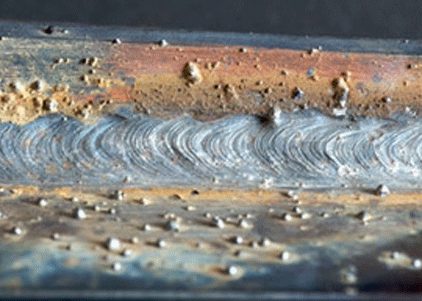
Weld spatter is not only an aesthetic nuisance but also a potential source of problems. Apart from creating an unsightly appearance, spatter may detach from the surface post-painting, resulting in premature corrosion.
How to Avoid It: Various potential causes need to be examined, such as having the wrong size or worn-out contact tip. Additional issues to consider involve an overly high shielding gas flow rate, excessive voltage, a contaminated base material, or an electrical stick-out that is too long.
If you're facing challenges with weld defects, it's the opportune moment to troubleshoot these issues and implement preventive measures for the future.
Enhancing the quality of your welds can lead to smoother operations without the headaches and hassles that might otherwise impede your progress.